Pruning & preservation
Structural pruning, clearance, deadwood management, young-tree training, and care that supports long-term form and health.
Discuss this service →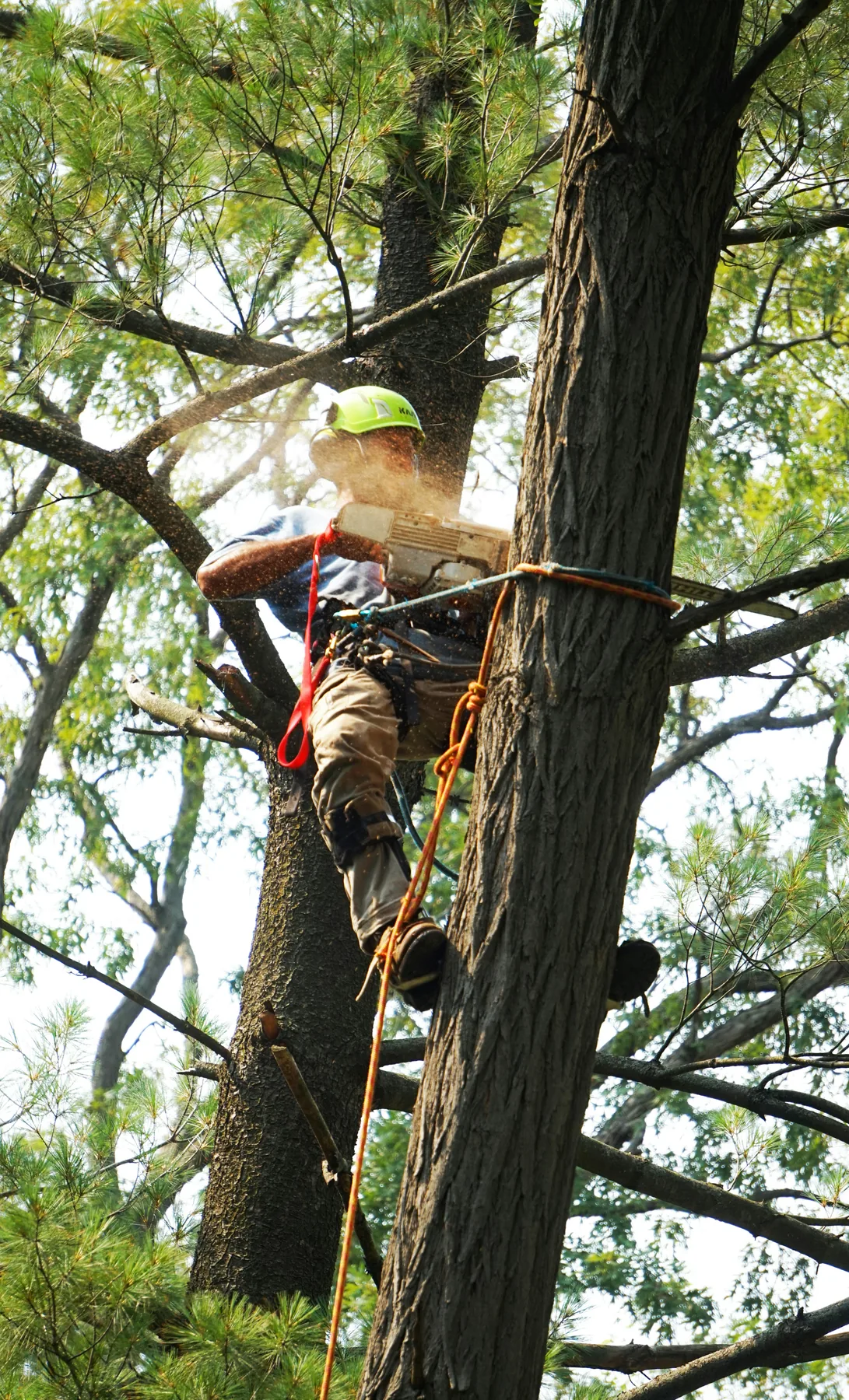
Arborist-led assessment · safety-led operations
Ironwood evaluates tree condition, site risk, long-term value, and practical options before recommending pruning, preservation, mitigation, or removal.
Tree condition, targets, species, structure, access, and owner priorities determine the work. Ironwood does not begin with a saw and work backward.
Structural pruning, clearance, deadwood management, young-tree training, and care that supports long-term form and health.
Discuss this service →Condition-based review of defects, storm damage, targets, likelihood of failure, and practical mitigation options.
Discuss this service →Planned removal for hazardous, declining, dead, or incompatible trees using controlled rigging and site protection.
Discuss this service →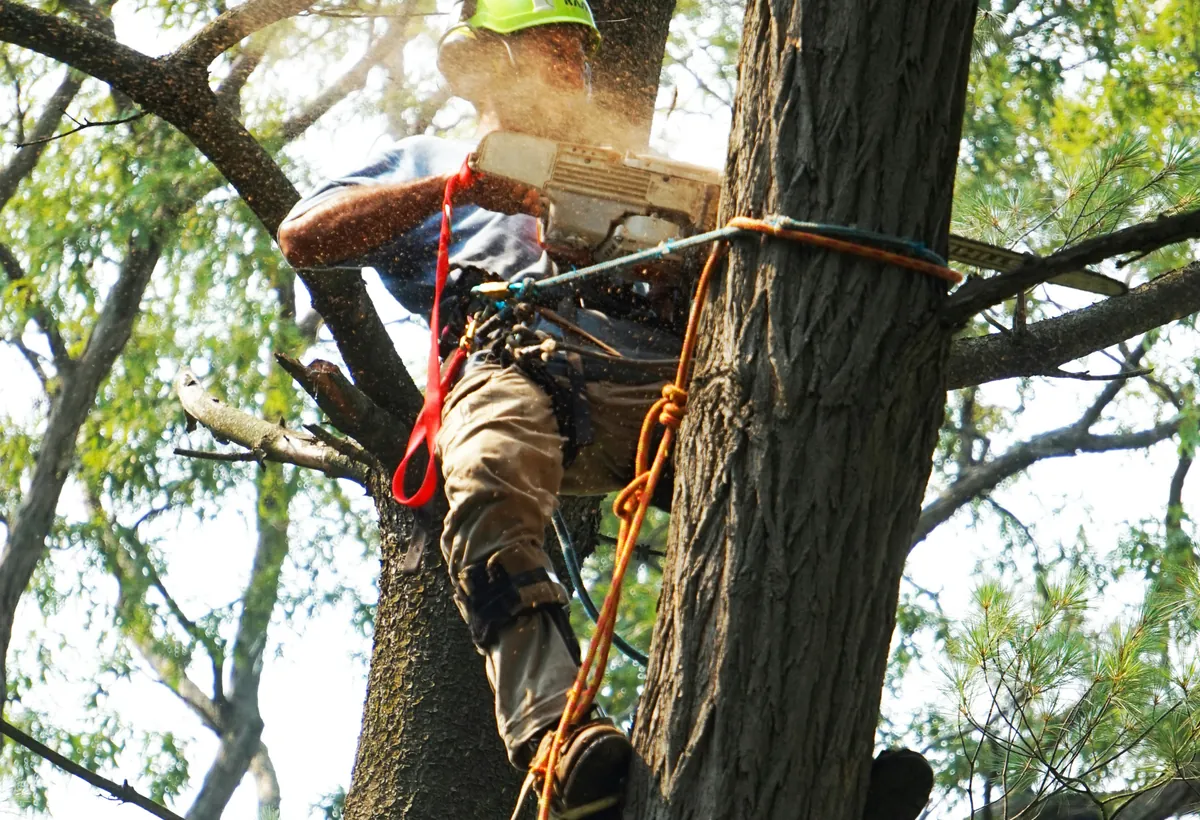
A defect does not mean the same thing in every location. Ironwood considers tree condition together with targets, occupancy, wind exposure, access, species response, and the consequences of each option.
Species, vigor, defects, decay indicators, root conditions, branch architecture, and recent changes are reviewed.
People, structures, traffic, utilities, and use patterns determine the consequence of potential failure.
Preservation, pruning, monitoring, mitigation, or removal is recommended according to risk and long-term value.
Access, rigging, equipment, exclusion zones, debris handling, and property protection are defined before work.
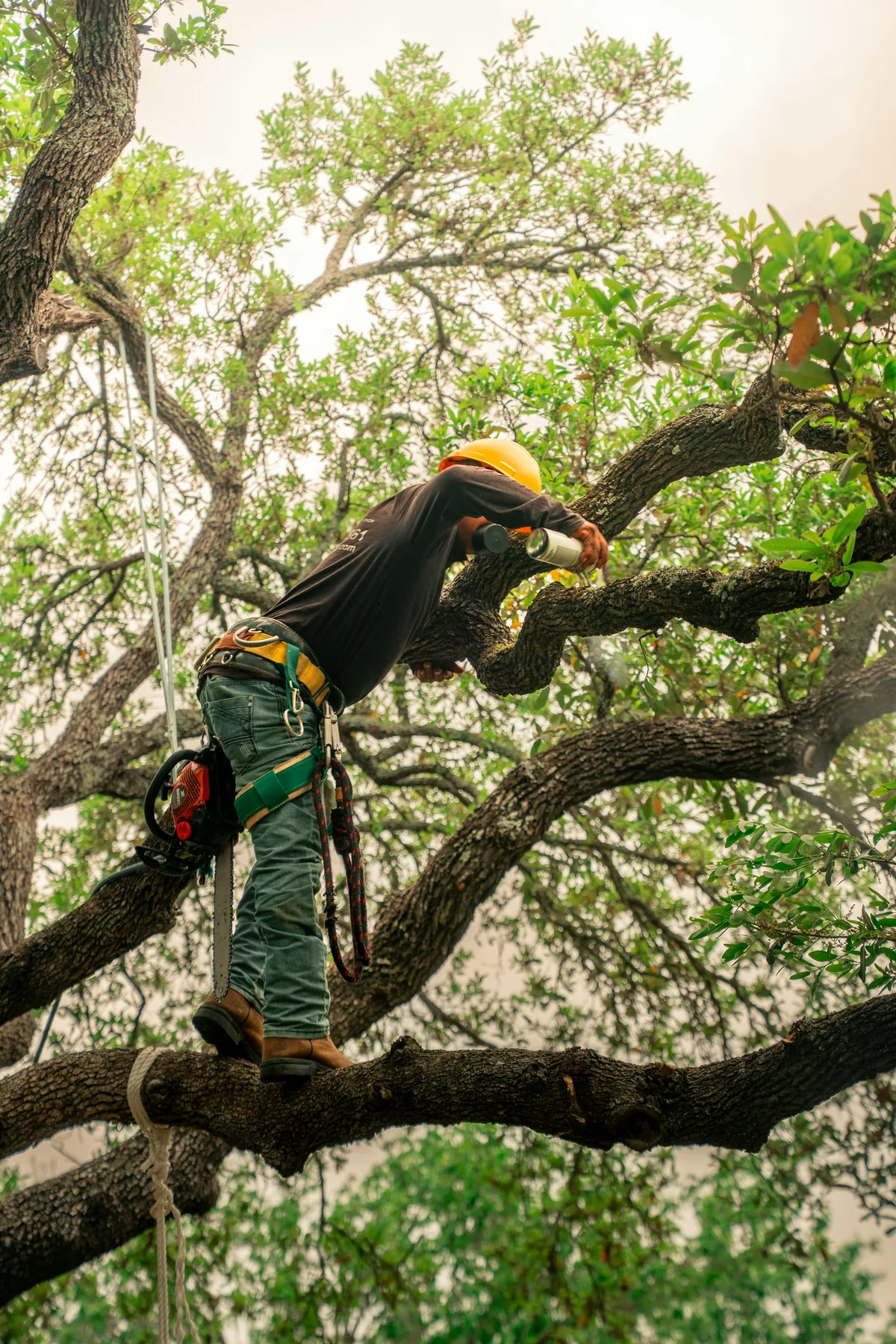
Crew communication, climbing systems, rigging, drop zones, equipment, traffic, structures, and tree response are coordinated in a site-specific work plan.
We review condition, structure, species, targets, access, and the owner’s priorities.
Recommendations become a defined objective, scope, work method, and site-protection plan.
The crew establishes equipment, zones, communication, and protection before work begins.
Material is managed, the site is reviewed, and monitoring or follow-up needs are documented.
Professional tree care is not simply cutting. It is deciding what should happen, why, and how to do it safely.
Describe the tree, concern, location, recent changes, and access. We will determine the appropriate evaluation.
Prefer to call?(555) 014-4404